
Stainless Steel Crowns for Kids in Keene, NH
A stainless steel crown (SSC) is a durable, pre-formed metal cap that covers and protects a child’s tooth when a cavity is too large for a filling. It is one of the most trusted restorations in pediatric dentistry, and a routine part of care for kids from Keene and across southwest New Hampshire and southern Vermont.
What Is an SSC in Dentistry?
In dental terms, SSC stands for stainless steel crown. It is a “cap” cemented onto an existing tooth that fully covers the portion of the tooth above the gum line. In effect, the crown becomes the tooth’s new outer surface, sealing out bacteria and letting your child chew comfortably again.
Stainless steel crowns are a hallmark of pediatric dentistry. They are most often used on baby molars, which need to stay healthy until they fall out naturally. Because they come pre-formed in many sizes, an SSC can usually be fitted and placed in a single visit, with no lab work and no second appointment.
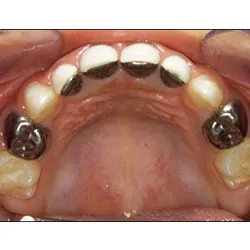
When Does a Child Need a Stainless Steel Crown?
We recommend an SSC when a crown will protect the tooth better and last longer than a filling would.
A Large Cavity in a Baby Tooth
Baby teeth are small. When a cavity is large, a crown that covers the whole tooth is much more stable than a large filling in a small tooth.
Decay on Many Teeth
For children with extensive decay, crowns cover the affected teeth completely, which helps prevent new cavities from forming around the edges of fillings.
After Pulp Therapy
A baby tooth that needs pulp therapy (a “baby root canal”) is usually finished with a crown to protect what remains of the tooth.
Weak or Damaged Enamel
Teeth with poorly formed enamel or a fracture can wear down or break. A crown holds them together and keeps them comfortable.
A Permanent Molar That Needs Time
Occasionally a permanent molar gets a larger cavity. An SSC serves as a good interim restoration until your child is older and can get a long-term crown, usually porcelain.
Front Teeth
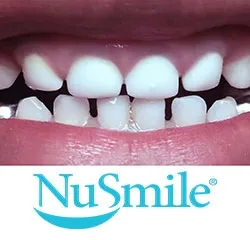
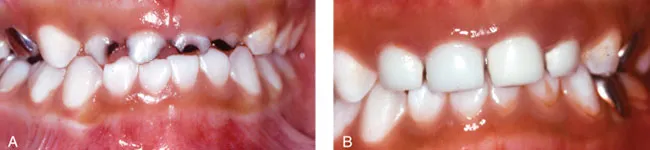
In the smile zone we can use crowns with a tooth-colored resin facing (NuSmile), so your child gets the strength of steel with a natural look.
Before and After

Why a Crown Instead of a Big Filling?
Parents often ask why we would crown a tooth that is going to fall out anyway. Baby molars stay in the mouth until about age 10 to 12. During those years they help your child chew, speak clearly and hold space for the permanent teeth coming in underneath. A large filling in a small baby tooth is more likely to crack or develop new decay around its edges, which can mean repeat visits.
A stainless steel crown covers every surface of the tooth, so it holds up to years of chewing. It simply comes out with the baby tooth when the permanent tooth is ready.
What to Expect at Your Child’s Crown Visit
- A gentle start. We use our Tell-Show-Do approach so your child knows what is coming, and we numb the tooth so it is comfortable. Many kids also relax with nitrous oxide, our “Happy Air.”
- Preparing the tooth. The dentist removes the decay and gently shapes the tooth so the crown fits snugly.
- Fitting the crown. We choose the right size, adjust it for a precise fit and check your child’s bite.
- Cementing it in place. The crown is cemented over the tooth. The whole process is usually completed in one visit.
Natural-Looking Crowns for Front Teeth
In esthetic zones of the mouth, we use stainless steel crowns with a tooth-colored resin veneer on the front surface from NuSmile. These pre-veneered crowns are made with high-quality surgical grade materials and have proven durability since 1991. They look natural and give a child the confidence to smile again.
Caring for Your Child’s Crown
Brush and Floss as Usual
Brush twice a day with fluoride toothpaste and floss around the crown. The gums around it need the same care as the rest of the mouth.
Go Easy on Sticky Treats
Very sticky or chewy candy, like caramels and taffy, can loosen a crown. Save them for rare occasions, or skip them.
Keep Up With Checkups
We check crowns at every visit. If one ever feels loose or comes off, call us so we can see your child. Our emergency page has more tips.
Frequently Asked Questions
What does SSC mean in dentistry?
SSC stands for stainless steel crown, a pre-formed metal cap that covers a damaged tooth. It is most often used on baby molars in children.
Does getting a stainless steel crown hurt?
The tooth is numbed first, so your child should feel pressure but not pain. Some soreness of the gums for a day or two afterward is normal and usually eased with a children’s pain reliever as directed on the label.
How long does a stainless steel crown last?
On a baby tooth, an SSC is designed to last until the tooth falls out naturally. On a permanent molar it is a temporary solution until your child is old enough for a long-term crown.
Will the crown fall out with the baby tooth?
Yes. The crown stays on the tooth and comes out with it when the permanent tooth underneath is ready to come in.
What is the dental code for a stainless steel crown?
Dental insurance uses CDT code D2930 for a prefabricated stainless steel crown on a baby (primary) tooth and D2931 for a permanent tooth. Coverage varies by plan. Our team can help you check your benefits.
Is a stainless steel crown safe for kids?
Yes. Stainless steel crowns have been used in children for decades. They contain a small amount of nickel, so please tell us if your child has a known nickel allergy and we will discuss other options.
Can my child eat after getting a crown?
Yes, once the numbness wears off. Until then, stick to soft foods and watch that your child doesn’t bite their numb lip, cheek or tongue.
Want the kid-friendly version? Read our blog post, What Is an SSC in Dentistry?, or learn about fillings for kids.
Serving Families Across NH & VT
Families travel to our Keene office from across the Monadnock Region and southern Vermont for stainless steel crowns and gentle restorative care.
Schedule Your Child’s Visit
Have questions about a crown your child needs? Call our Keene team. New patients welcome and most insurance plans accepted.


